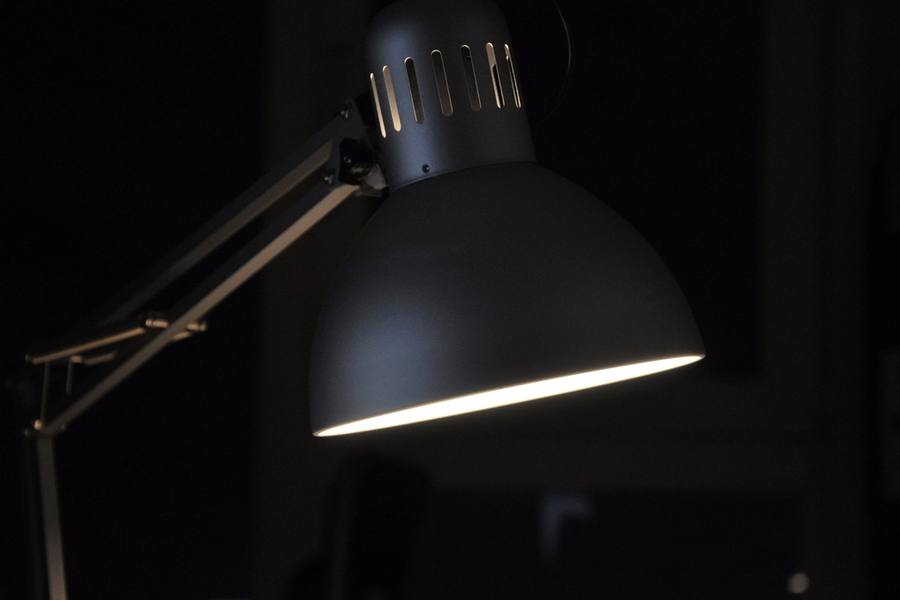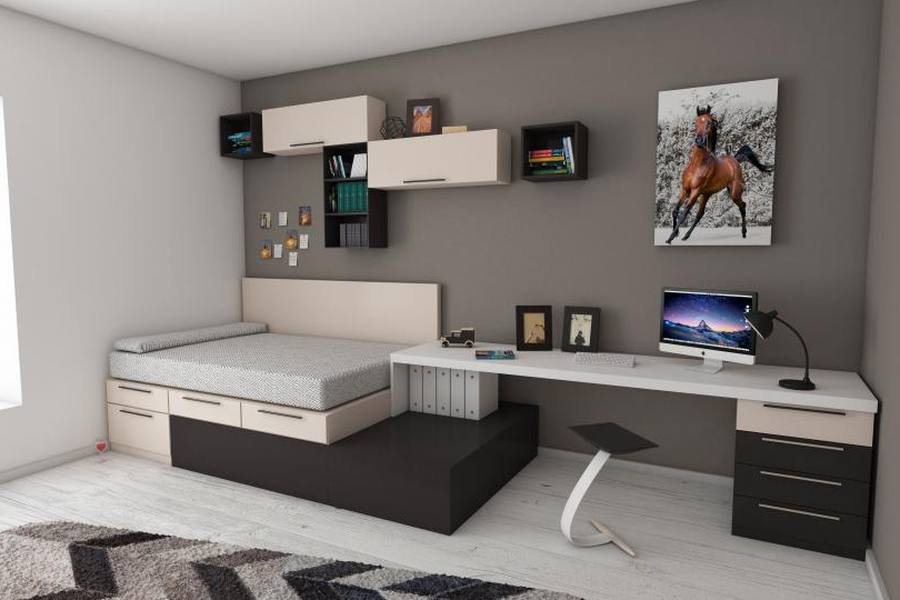
Representative image (stock photo); not the exact product.
Wall Light Without Wiring
A hardwired wall light requires an electrician and permanent alteration, which rules it out in a rented property and makes it a considerable job in an owned one.
A plug-in sconce mounts with screws and runs a cable to a socket, which any competent person can fit and which is entirely reversible.
That accessibility is the whole point, and it makes wall lighting available in situations where it otherwise would not be.
Freeing A Bedside Table
A bedside lamp occupies most of a small bedside table, leaving no room for a book, a glass and a phone.
A wall sconce puts the light above and frees that surface entirely, which in a small bedroom is a meaningful practical gain.
It also puts the light at a better height for reading in bed than a table lamp usually manages.
Swing Arms And Adjustment
A swing arm allows the light to be positioned over a book and swung away when not needed, which a fixed sconce cannot.
That adjustability is what makes a sconce work as a reading light rather than only as ambient lighting.
Joints must hold position, and a swing arm that drifts under the weight of the head is a recurring irritation.
Cable Management
The visible cable is the compromise, and a cable running down a wall to a socket is not attractive.
Cord covers painted to match the wall make it considerably less obtrusive, and routing behind furniture where possible hides it entirely.
Some designs include a fabric-covered cable intended to be visible, which works with the right style of room and looks deliberate rather than makeshift.
Pairs are worth buying together for a bed, since two sconces at matching heights either side look intentional where one on a single side reads as an afterthought. It also means both people can read independently, which for a shared bed is the practical argument as much as the visual one. Buying them separately later frequently means the design has changed.
Mounting And Wall Type
Plasterboard needs appropriate fixings, and a sconce screwed into plasterboard without them will pull out, particularly with a swing arm applying leverage.
Finding a stud or using proper cavity fixings is necessary rather than optional, and the leverage from an extended arm is considerable.
Height matters, and a bedside sconce positioned too high or too low fails as a reading light despite working as ambient lighting.
Switch position is worth thinking about before mounting, since a switch on the fitting itself requires reaching up from bed where an inline cord switch can hang within reach. Some designs include a pull cord, which is the traditional solution and works well in the dark. A smart plug on the socket also solves it and adds voice control for very little, which for a bedside light is genuinely convenient.
The Verdict
Wall lighting made available without electrical work, freeing surfaces and improving reading position in bedrooms particularly.
The cable is visible, plasterboard needs proper fixings, and swing arms apply real leverage to the mounting.
Use proper cavity fixings. A swing arm applies real leverage, and a sconce pulling out of plasterboard takes the wall with it.
At a glance
Pros
- Wall lighting with no electrical work
- Frees a bedside table entirely
- Swing arms position light over a book
- Completely reversible in a rented property
Cons
- Visible cable running to a socket
- Plasterboard requires proper cavity fixings
- Swing arms apply leverage to the mounting
- Weak joints drift under head weight
Frequently asked questions
Why not a bedside lamp?
A lamp occupies most of a small bedside table, leaving no room for a book, a glass and a phone. A sconce puts the light above and frees the surface entirely, and usually at a better height for reading in bed.
What about the cable?
It is the compromise. Cord covers painted to match the wall make it far less obtrusive, and routing behind furniture hides it. Some designs use a fabric-covered cable intended to be seen, which looks deliberate in the right room.
How do I mount it safely?
Into a stud where possible, or with proper cavity fixings in plasterboard. A swing arm applies considerable leverage, and a sconce pulling out of plasterboard takes a section of wall with it.
Specifications
| Type | Plug-in wall sconce |
| Wiring | None required |
| Main benefit | Frees bedside surfaces |
| Swing arm | Positions over a book, swings away |
| Cable | Visible; cord covers or route behind furniture |
| Plasterboard | Proper cavity fixings essential |
| Leverage | Extended arms apply considerable force |
| Reversible | Yes; suits rented property |
The bottom line
Wall light with no wiring, freeing the bedside table. Use proper cavity fixings — swing arms apply real leverage.
Check Price on Amazon