Motion Sensor Night Light

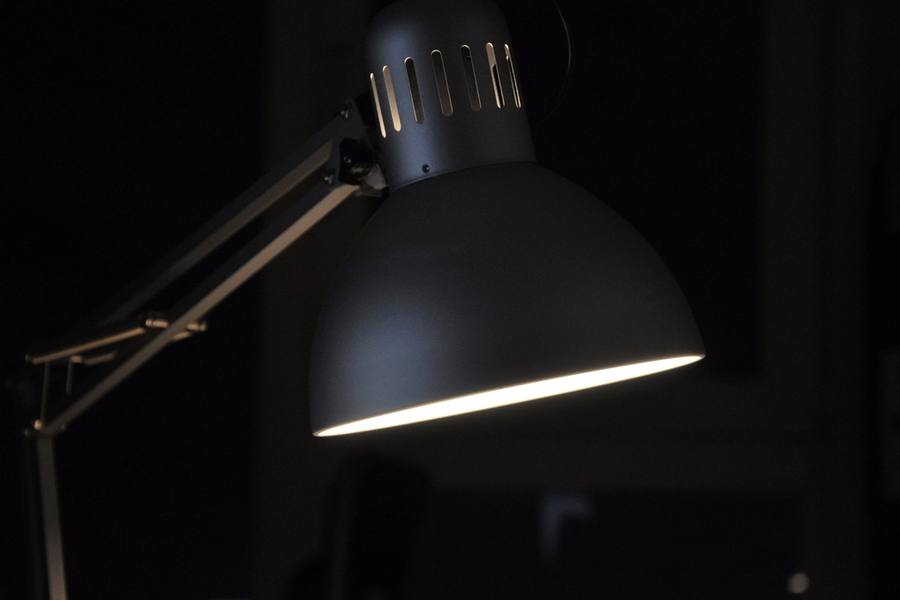
Temsili görsel (stok fotoğraf); ürünün kendisi değildir.
Enough Light To Move Safely
Turning on a main light at night wakes you properly, and moving in complete darkness risks trips and falls, particularly on stairs.
A low-level automatic light provides enough to navigate without the jolt of full brightness, which means getting back to sleep afterwards is easier.
For anybody getting up at night regularly, and particularly for older people where falls are a genuine risk, that is a meaningful safety improvement for very little money.
Warm And Dim Is The Point
Bright white light at night suppresses the physiological signals associated with sleep and wakes you more thoroughly than a dim warm light does.
A night light should be warm and dim rather than bright, which is the opposite of what makes a good general light and is frequently got wrong.
Amber and very warm light is the least disruptive, which is why night lights intended for sleep are that colour rather than white.
Sensor Behaviour
Sensors trigger on motion and switch off after a set period, and a timeout that is too short leaves you in darkness partway through a task.
A light sensor that prevents activation in daylight is important, since a light triggering constantly during the day wastes battery for nothing.
Sensor range and angle determine whether it activates reliably, and one mounted where it cannot see the approach triggers late or not at all.
Battery Against Plug-In
Battery versions mount anywhere including inside cupboards and on stair walls with no socket, and they need recharging or replacing.
Plug-in versions never run out and can only go where there is a socket, which in a hallway or on a landing is often exactly where you want one anyway.
Rechargeable battery versions with magnetic mounts combine reasonable convenience with placement freedom, and remembering to recharge is the ongoing requirement.
Multiple lights along a route work better than a single bright one, since a stairway lit at top and bottom has no dark section in between and each individual light can be dimmer than one trying to cover the whole run.
Where They Genuinely Help
Stairs, hallways, bathrooms and the route between bedroom and bathroom are where night lights prevent falls and disturbance.
Inside wardrobes, cupboards and under sinks they solve a different problem, lighting a dark space without wiring.
A bedroom itself is usually better with no light at all, since anything visible from the bed affects sleep quality for some people.
Adhesive mounting is common on battery models and carries the usual caveat that it fails on textured, dusty or freshly painted surfaces. Cleaning the spot with alcohol before fitting is what makes the difference, and magnetic mounts with a screwed backplate are considerably more secure for anything that will be removed regularly for recharging. A light that falls off a stair wall is worse than no light at all.
The Verdict
A cheap device solving a specific problem well, providing enough light to move safely without waking you properly.
Bright white versions defeat the purpose, timeouts that are too short leave you in the dark, and batteries need remembering.
Choose warm and dim, not bright. A bright white night light wakes you properly, which is the opposite of what it is for.
Bir bakışta
Artılar
- Enough light to navigate without full waking
- Genuine fall prevention on stairs and landings
- Battery versions mount anywhere with no socket
- Very cheap for the problem they solve
Eksiler
- Bright white versions disrupt sleep
- Short timeouts leave you in darkness mid-task
- Battery versions need recharging
- Poor sensor placement triggers late or not at all
Sıkça sorulan sorular
How bright should it be?
Dim and warm, not bright. Bright white light at night suppresses the physiological signals associated with sleep and wakes you properly, which is the opposite of the point. Amber is the least disruptive colour.
Battery or plug-in?
Battery for stairs and cupboards where there is no socket; plug-in for hallways and landings where there is one, since it never runs out. Rechargeable magnetic versions combine reasonable convenience with placement freedom.
Why does mine not trigger reliably?
Usually sensor placement — mounted where it cannot see the approach, it triggers late or not at all. Range and angle both matter, and a sensor facing along a corridor detects approach better than one facing across it.
Teknik Özellikler
| Type | Automatic motion sensor night light |
| Light | Warm and dim, not bright white |
| Best colour | Amber or very warm |
| Sensor | Motion plus daylight inhibit |
| Timeout | Long enough to complete a task |
| Battery | Placement freedom; needs recharging |
| Plug-in | Never runs out; socket required |
| Best locations | Stairs, hallways, bathroom routes |
Özet
Warm and dim, not bright. Enough to move safely without waking properly, and a genuine fall risk reduction on stairs.
Amazon'da Fiyatı Kontrol Et