Decorative Serving Tray
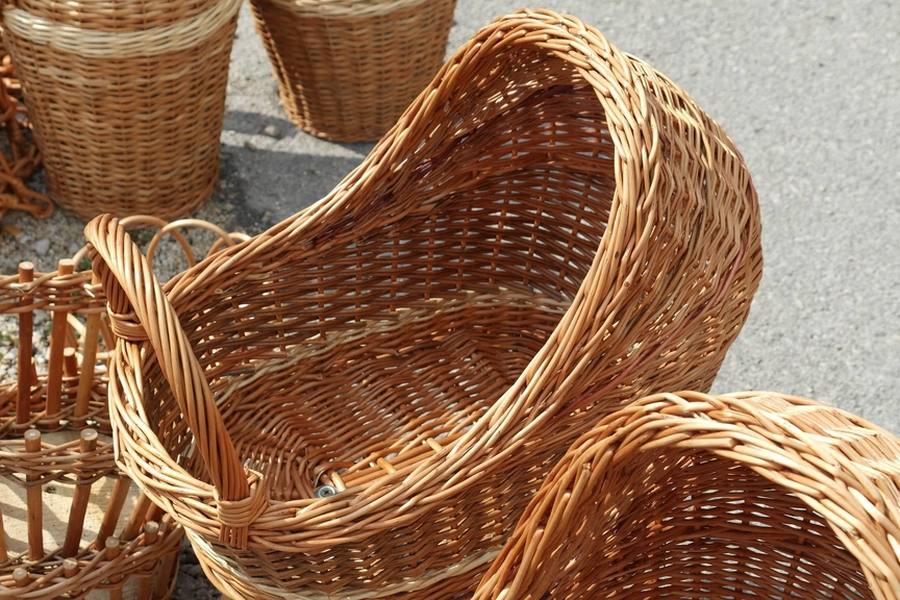
Image illustrative (photo de stock) ; ce n'est pas le produit exact.
Grouping Turns Clutter Into Arrangement
Several objects scattered across a coffee table read as clutter, and the same objects on a tray read as a deliberate arrangement.
That is a genuine visual effect rather than a decorating convention, since a defined edge gives the eye a boundary and the contents become one composition.
It is also the cheapest styling intervention available and works in almost every room, which is why trays appear in so many arranged interiors.
It Makes Things Movable
Objects on a tray can be lifted off a table in one movement, which matters considerably on a coffee table that is also used for eating or working.
That practicality is why a tray earns its place beyond appearance, and it is what distinguishes it from a purely decorative object.
On an ottoman used as a table, a tray is what makes a soft surface usable for drinks at all.
Size Against The Surface
A tray should occupy a meaningful proportion of the surface without filling it, and a tiny tray on a large table looks lost.
Around a third of the surface area is a reasonable guideline, and the remaining space is what stops the arrangement looking crowded.
On an ottoman, the tray needs to be substantial enough to sit stably on a soft surface, and a small light tray tips as soon as anything is placed at its edge.
Handles are worth having on a tray that will actually be carried, and a tray without them has to be gripped by the rim, which is awkward when it is loaded.
Material And Practicality
Wood is warm and marks with water rings, metal is durable and cold-looking, and lacquered or glass-topped trays wipe clean entirely.
For a tray holding drinks, wipeable is worth more than attractive, and a wooden tray holding glasses will develop rings.
Raised edges contain spills and stop objects sliding, and a flat board without a lip offers neither.
What To Put On It
The standard arrangement mixes heights, textures and one thing with life — a candle, a small stack of books, a plant, and a vessel of some kind.
Odd numbers of objects arrange more naturally than even ones, and three items is the usual starting point.
A tray covered edge to edge defeats the purpose, since the visible tray surface is part of what creates the sense of arrangement.
Shape should relate to the surface it sits on, with a rectangular tray suiting a rectangular table and a round one softening a square surface or sitting comfortably on a round ottoman. An oval or round tray on a rectangular table breaks up the geometry deliberately, which works when intended and looks accidental when it was not, so the choice is worth making consciously rather than by availability.
The Verdict
The cheapest and most effective styling intervention available, turning scattered objects into an arrangement and making a surface usable.
Undersized trays look lost, wooden ones mark with water rings, and a tray filled edge to edge stops working.
Leave some tray visible. A tray covered completely with objects reads as more clutter rather than as an arrangement.
En un coup d'œil
Avantages
- Turns scattered objects into a deliberate arrangement
- Lifts off in one movement when the table is needed
- Makes a soft ottoman usable for drinks
- Raised edges contain spills and stop sliding
Inconvénients
- Undersized trays look lost on large surfaces
- Wooden trays mark with water rings
- Light trays tip on soft surfaces
- Filling it edge to edge defeats the purpose
Questions fréquemment posées
Why does a tray make things look tidier?
A defined edge gives the eye a boundary, so several objects become one composition rather than scattered items. It is a genuine visual effect and the cheapest styling intervention available in almost any room.
What size should it be?
Around a third of the surface area is a reasonable guideline. A tiny tray on a large table looks lost, and the remaining visible surface is what stops the arrangement looking crowded.
What should go on it?
An odd number of objects at mixed heights with different textures — typically three: something tall like a candle, something flat like books, and something with life such as a plant. Leave some tray visible.
Spécifications
| Type | Decorative serving tray |
| Effect | Groups objects into one composition |
| Practical benefit | Clears a table in one movement |
| Size | Around a third of the surface |
| On an ottoman | Must be substantial enough to sit stably |
| Material | Wipeable beats attractive for drinks |
| Edges | Raised to contain spills |
| Arranging | Odd numbers, mixed heights, some tray visible |
Résumé
The cheapest styling change there is. Around a third of the surface, odd number of objects, and leave some tray showing.
Vérifier le prix sur Amazon