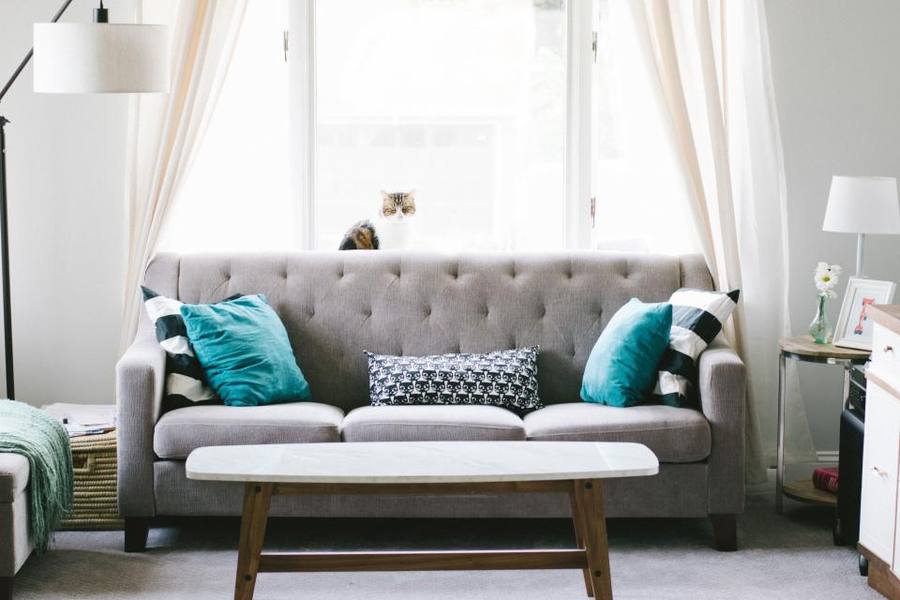
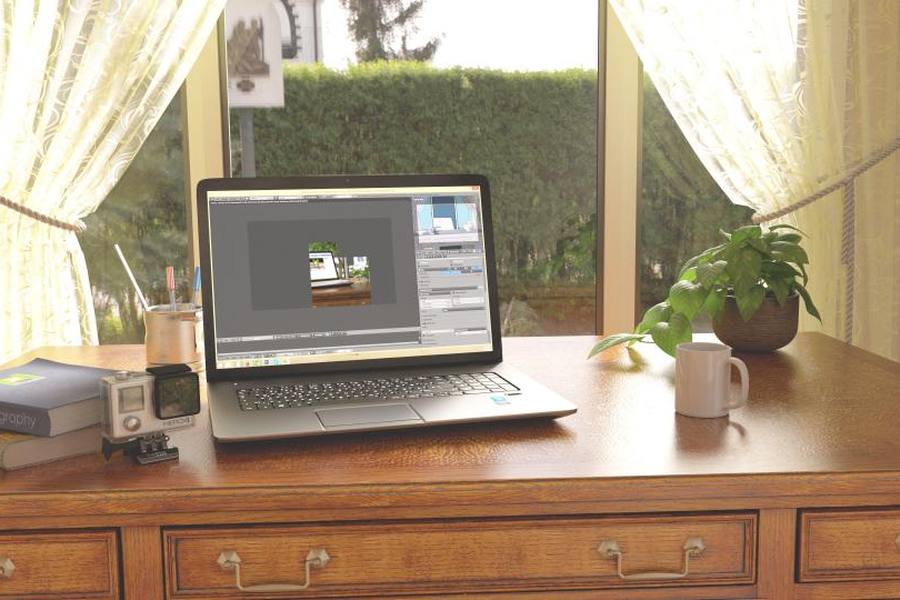
Thermal Blackout Curtains
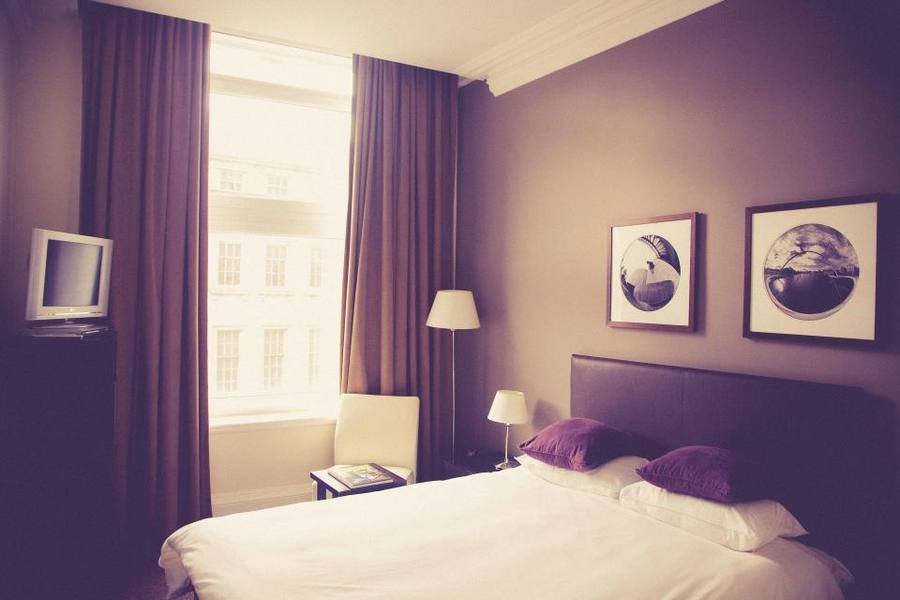
Image illustrative (photo de stock) ; ce n'est pas le produit exact.
The Edges Are Where Light Gets In
Blackout fabric blocks light through the material, and light entering around the sides, top and bottom is what actually lights a room.
A curtain hung close to the window frame with little overlap leaks light down both sides regardless of how good the fabric is.
Extending the pole well beyond the window, using a wraparound track, or fitting a pelmet addresses the gaps, and that is what determines whether a room actually goes dark.
Thermal Lining Is Genuinely Effective
A large proportion of heat loss in an older house goes through windows, and a thermal-lined curtain traps a layer of still air against the glass.
The effect is real and measurable, and closing curtains at dusk rather than at bedtime captures considerably more of it.
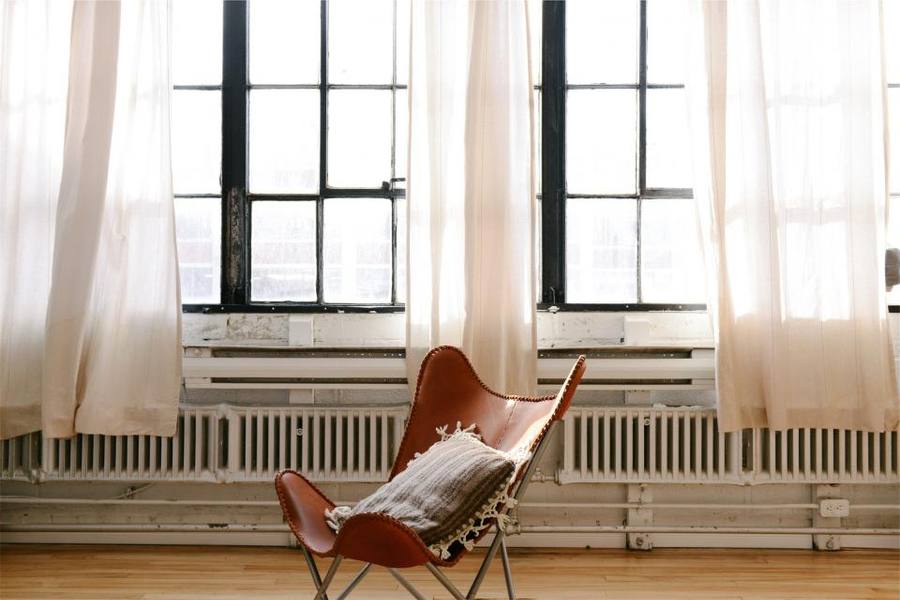
Curtains hanging over a radiator direct that heat straight up the window and out, which is why a curtain should stop above a radiator or the radiator should not be under the window.
Length And Where They Stop
Curtains should either just brush the floor or puddle slightly, and stopping short of the floor looks unfinished and lets a draught through.
Sill-length curtains suit kitchens and bathrooms where floor length is impractical, and they should reach a few centimetres below the sill rather than stopping at it.
Hanging a pole high above the window and wide to either side makes a window look larger and improves both light blocking and thermal performance.
Fullness Determines How They Look
A curtain should be considerably wider than the window so it gathers when closed, and typically twice the track width is the usual guidance.
A curtain exactly the width of the window hangs flat and looks mean, which is the commonest reason ready-made curtains disappoint.
Heavier fabrics need more fullness to hang well, and insufficient fullness on a heavy curtain produces flat panels rather than folds.
Weight And Fittings
Lined blackout curtains are heavy, and a pole or track must be rated for the weight and fixed into structure rather than plasterboard alone.
A pole sagging in the middle is a sign of inadequate support, and a centre bracket solves it on a long run.
The fittings failing under a heavy curtain takes plaster with it, which makes this a genuine consideration rather than a caution.
Heading style affects both appearance and how much fabric is needed, with pencil pleat being the most common and most forgiving, eyelets hanging in deep even waves and requiring a pole rather than a track, and pinch pleat looking the most formal and needing the most fabric. Eyelet curtains cannot be used with a track at all, which catches people out after the pole is already chosen.
The Verdict
Genuinely effective for both darkness and heat retention, provided the installation addresses the gaps around the edges.
Light leaks at the sides, curtains over radiators waste heat, and heavy linings need properly rated fittings.
Extend the pole well beyond the window. Light comes in around the edges, and the best fabric in the world does not stop that.
En un coup d'œil
Avantages
- Genuinely reduce heat loss through windows
- Block light effectively when gaps are addressed
- Reduce noise as well as light and heat
- A wide high pole makes a window look larger
Inconvénients
- Light leaks around edges without overlap or a pelmet
- Heavy; need properly rated and fixed poles
- Wasted over a radiator under a window
- Insufficient fullness makes them hang flat
Questions fréquemment posées
Why is my room still light?
Light comes in around the edges rather than through the fabric. A curtain hung close to the frame leaks down both sides however good the material is. Extend the pole well beyond the window, or fit a pelmet to close the top gap.
Do thermal curtains actually save heat?
Yes, measurably, by trapping still air against the glass — and a curtain hanging over a radiator directs that heat straight up the window and out. Closing them at dusk rather than bedtime captures considerably more of the benefit.
Why do mine hang flat?
Insufficient fullness. A curtain should be around twice the track width so it gathers when closed, and one exactly the window width hangs flat and looks mean. Heavy fabrics need more fullness still to fold properly.
Spécifications
| Type | Thermal-lined blackout curtains |
| Main failure | Light leaking around edges |
| Fix | Extend pole wide, or fit a pelmet |
| Thermal benefit | Traps still air against glass |
| Radiators | Curtain should stop above, not cover |
| Length | Brush the floor or puddle slightly |
| Fullness | Around twice the track width |
| Fittings | Rated for weight, fixed into structure |
Résumé
Light comes in at the edges, not through the fabric. Extend the pole wide and high, and keep curtains off radiators.
Vérifier le prix sur Amazon